
Equity Protection
Maximizing value on exit and securing favorable terms on acquisition ensures you keep more of what your family has built.
Wealth preservation is not just for stock portfolios. It is how Southern California families approach their most significant asset: their home.
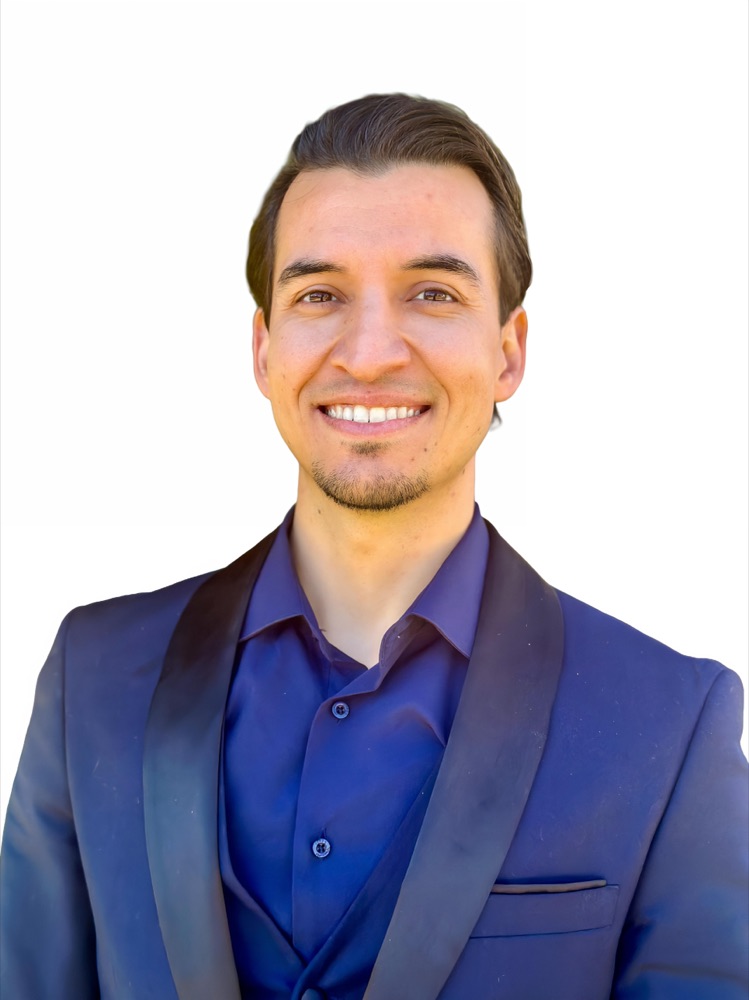
Kareem believes every property move should be evaluated through a 10-year lens. We focus on equity protection, location durability, and the long-term impact on your family's financial story.
Maximizing value on exit and securing favorable terms on acquisition ensures you keep more of what your family has built.
We target neighborhoods in Woodland Hills and the SFV with proven resilience and long-term appreciation potential.
Approaching real estate transitions with an eye toward family inheritance, tax efficiency, and long-term stability.
Scaling from your first home to your primary estate requires precise timing and equity management.
Managing the sale or acquisition of family real estate during a generational transition.
Hover over each strategy pillar to see how Kareem protects and grows your equity over time.
Hover over any pillar to explore Kareem's methodology for preserving and growing your family's real estate assets.
Moving when the market favors your goals, not just when life forces a change. We track cycles to protect your exit.
Identifying neighborhoods with long-term resilience, school quality, and supply constraints that support value growth.
Sophisticated negotiation and marketing that ensures you leave with maximum equity for your next move.
Considering how title, financing, and ownership structures affect the wealth you pass on to the next generation.
In Southern California, most family wealth is built one deliberate rung at a time, not in a single transaction. Here is the same five-stage progression Kareem walks families through — specific, honest, and tailored to how real estate actually behaves in this market.
Your first primary residence is the engine. A fixed mortgage is forced savings: every payment converts cash into equity while rents keep climbing. Over a 7+-year horizon in SoCal, owning has historically beaten renting once you account for principal paydown, appreciation, and the mortgage-interest and property-tax deductions.
The math turns on time, not timing. Transaction costs (roughly 6–9% to buy and sell) mean short holds rarely pay off — but past that 7-year mark, appreciation and amortization compound in your favor. Buy what you can hold, in a location you would not mind keeping forever.
Once you have built equity, it can responsibly fund the next acquisition. A HELOC or cash-out refinance turns idle equity into a down payment — used conservatively, not maxed out. Two classic moves: live-in-then-rent (occupy a home to secure owner-occupant financing, then convert it to a rental when you move up) and the house hack (rent rooms or a unit to offset your own mortgage).
In California, the ADU opportunity is real: state law now makes it far easier to add a backyard or garage-conversion unit, creating durable rental income and adding value on a property you already own.
Here you confront SoCal reality: the 1% rule (monthly rent equal to 1% of purchase price) almost never holds in coastal Los Angeles. High prices mean most local properties are appreciation plays, not cash-flow machines — they may run near break-even on cash flow while building wealth through value growth and loan paydown.
That trade-off is the decision. Cash-flow buyers often look to inland or out-of-state markets; appreciation buyers accept thinner monthly margins for stronger long-term equity in supply-constrained neighborhoods. A deliberate mix — not accidental sprawl — is what builds a portfolio.
Growth without protection is fragile. Investors often hold rentals in an LLC for liability separation (note: this can affect financing and may trigger California's annual franchise tax — weigh it with counsel). Carry adequate landlord and umbrella insurance.
Two tax pillars matter enormously: the $250,000 / $500,000 capital-gains exclusion on the sale of a primary residence you have owned and lived in for 2 of the last 5 years, and the step-up in basis — when heirs inherit property, its cost basis resets to fair market value at death, potentially erasing decades of taxable gain. The 1031 exchange lets investors defer gains by rolling into a like-kind property.
The final rung is legacy. Real estate can pass directly, but a living trust typically avoids probate, keeps the transfer private, and gives your family clear instructions. Direct gifting or holding to receive the step-up at death each carry different tax consequences.
This is why I always recommend one, not just for large estates: it names a successor trustee who can act immediately if you're incapacitated, and it lets you decide exactly which family member gets which property instead of leaving that to a court's default rules — the difference between a compound that stays together and one that gets sold off to divide the proceeds.
The trap most California families miss is Proposition 19. Since 2021, inherited property generally keeps its low Prop 13 tax base only if a child moves in and makes it their primary residence (with a value cap) — otherwise it is reassessed to current market value, often multiplying the annual property-tax bill. A family that inherits a long-held home and rents it out can be blindsided by a reassessment that makes holding unaffordable. Plan for this before it happens, not after.
Read the full breakdown of why every family compound needs one →
For education only. This framework is general information, not legal, tax, or financial advice. Tax rules, Prop 19 details, and exclusion amounts change and depend on your specific situation. Always consult a qualified attorney, CPA, and financial professional before acting.
Most families have more equity working for them than they realize. Let's map yours.
Map My Wealth LadderA clear-eyed inventory is where every good plan starts. Tick through these to see where your real estate is strong and where it has untapped potential. Each item includes the reason it matters from an advisor's lens.
This checklist is a personal tool. Your ticked items are not saved, tracked, or submitted anywhere — they live only on your screen.
Found a few boxes you couldn't check with confidence? That's exactly where a conversation helps.
Review My Plan with KareemA high-intent conversation about your real estate goals is the foundation of wealth preservation. Reach out to Kareem today.