My Zip Codes · Chapter I of III · Where I’m From91311
Chatsworth. The Valley still keeps its horses here.
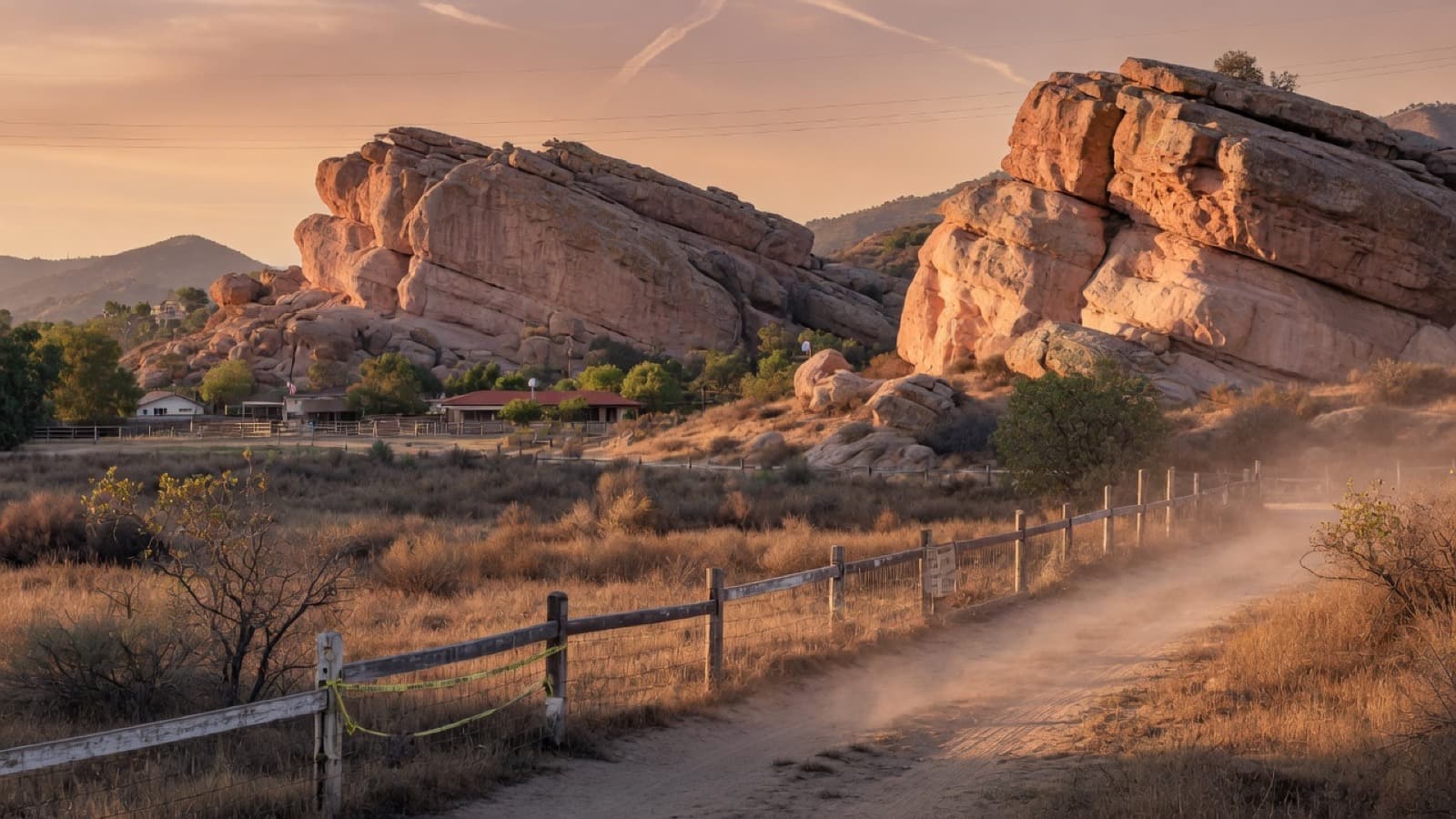
Stagecoach ruts you can stand in. The most-filmed rocks in Hollywood history.
The last real horse-keeping zoning inside Los Angeles. This is the zip code
I’m from — and I’d like to introduce it to you properly: the history for the
heart, the numbers for the head.
Est. 1888Horse-Keeping ZoningSanta Susana PassMetrolink & Amtrak
1861The first overland mail stage crossed the Santa Susana Pass — Chatsworth was LA’s front door before Hollywood existed.
2,000+Films and TV episodes shot on the Iverson Movie Ranch — the most-filmed movie ranch in motion-picture history.
1904The rail tunnel through the pass opened — the same line that makes Chatsworth a two-rail commuter town today.
KThe letter that matters most here: horse-keeping zoning — scarce, grandfathered, and Los Angeles isn’t making more of it.
The Long Story
A thousand years before the first for-sale sign.
Most agents will tell you what a neighborhood costs. Almost none can tell
you what it is. Chatsworth earned its character the long way —
and if you understand how, you’ll understand exactly why it holds value.
“Every era left something you can still walk on, ride past, or own.”
First PeoplesThe pass before the pavement
For thousands of years, village and trade sites dotted the Santa Susana Pass corridor — the natural gateway between the San Fernando and Simi valleys. The sandstone that makes Chatsworth famous today made it habitable then: shelter, water pockets, and lookout points over the whole Valley floor.
1861Blindfolded horses on the Devil’s Slide
On April 6, 1861, the first overland mail stage rolled through the pass. The descent into Chatsworth was so steep they called it the Devil’s Slide — drivers blindfolded the horses and chained the wheels to slow the drop. The wagon ruts are still cut into the rock in Santa Susana Pass State Historic Park. You can stand in them.
1888A frontier town with an aristocrat’s name
Homesteaders formally founded the town and — with pure frontier audacity — borrowed its name from Chatsworth House, the Duke of Devonshire’s estate in England. One original homestead survives: the Hill-Palmer cottage at Homestead Acre, kept by the Chatsworth Historical Society in Chatsworth Park South.
1904The railroad conquers the pass
Crews spent years boring tunnels through the mountain; when the line opened in 1904, Chatsworth became a real stop on the coast route instead of a hard day’s wagon ride. That same corridor is why you can board Metrolink or Amtrak in Chatsworth this morning — infrastructure this old doesn’t move, and neither does the value it anchors.
1912–1960sHollywood’s favorite backlot
The Iverson family began renting their rocky homestead to film crews, and for five decades Chatsworth was the American West on screen — roughly 2,000 productions, from silent-era serials to John Wayne pictures, shot among the boulders of the Garden of the Gods. When you hike there at golden hour, you are standing inside more movies than any studio lot on Earth.
1924Where the dancers rest
Oakwood Memorial Park opened on Lassen Street — oak-studded, unhurried, and eventually the resting place of Fred Astaire and Ginger Rogers. The greatest dance partnership in film history lies a short walk apart, in the neighborhood that filmed more Westerns than anywhere else. Chatsworth keeps its legends casually.
1966–68The freeway changes the script
Construction of the 118 cut the Iverson Ranch in half and ended the movie-ranch era — and opened the commuter era. The same grading that silenced the film cameras connected Chatsworth to everything, and the ranch land became the equestrian estates and hillside homes people compete for today.
TodayThe last horse town inside the city
Chatsworth is now one of the final corners of Los Angeles where horse-keeping zoning, real acreage, trail networks, and two rail lines coexist. It is not a museum — it’s a working neighborhood that quietly holds the things the rest of the city zoned away. That scarcity is the entire investment thesis, and we’ll get to it below.
Field Notes
What locals know that listings don’t say.
For the climbers
Stoney Point is sacred ground
That lone sandstone dome by Topanga Canyon Boulevard is one of American climbing’s original training rocks — generations of climbers who later defined Yosemite learned their craft on its problems. On any warm evening you’ll still find chalk bags, crash pads, and horses passing below.
For the film buffs
You’ve seen these rocks a hundred times
The Garden of the Gods off Redmesa Road is the surviving heart of the Iverson Movie Ranch. The Lone Ranger rode here. So did half of Hollywood’s cowboys. It’s a public trail now — a five-minute detour on any showing route I run, and I take it every time.
For the historians
An 1880s homestead, still standing
Homestead Acre — the Hill-Palmer cottage in Chatsworth Park South — is the last original homestead cottage in the Valley, kept by the Chatsworth Historical Society. Minnie Hill Palmer lived there into the modern era, a one-woman bridge from covered wagons to tract homes.
For the riders
Horses have the right of way
Equestrian crossings, hitching posts outside businesses, and trailheads that start at the end of residential streets — the horse culture here isn’t decoration, it’s zoning, and the community defends it fiercely. Day of the Horse at Stoney Point Ranch is its annual festival.
For the commuters
Two railroads, one platform
The Chatsworth Transportation Center runs Metrolink into downtown LA and Amtrak’s Pacific Surfliner up the coast — from the same station where the Southern Pacific stopped in 1904. Very few LA neighborhoods with this much land also hand you a train ticket.
For the golden hour
The light show is nightly
When the sun drops, the Santa Susana sandstone goes amber, then rose, then ember-red — the exact light every Western cinematographer chased. Locals stop noticing it around year three. Buyers never forget the first time they see it from a backyard.
The Analytics
How to read the 91311 market like a local.
Chatsworth isn’t one market — it’s six distinct pockets that price differently,
appreciate differently, and reward different buyers. Here is the honest map.
The crown jewel
Equestrian Chatsworth
Horse-zoned parcels in the foothills with trail access from the property line. Scarcity pricing at its purest — LA cannot create more of this, and well-kept horse properties move fast when priced right. Verify zoning parcel by parcel, never by listing copy.
The view play
Stoney Point Foothills
Homes backed against the rock formations — character and views that cannot be replicated at this price anywhere else in the Valley. Premiums follow the sightlines; walk the lot at sunset before you decide what the view is worth.
The polished option
Indian Springs & newer builds
Master-planned newer construction with wider streets and a more suburban finish — the move-up buyer’s answer when they want newer product without leaving the northwest Valley. Trades land for polish; know which one your wealth plan actually needs.
The quiet flex
Lake Manor adjacent
Semi-rural parcels near the Chatsworth Nature Preserve — privacy and acreage feel without full equestrian requirements. The preserve itself is 1,300+ acres of protected land that will never be your competition’s subdivision.
The commuter arbitrage
Near the Transportation Center
Rail-adjacent pockets trade at a discount for the noise — a discount that often exceeds the real cost for anyone commuting downtown by Metrolink. Buying someone else’s objection is a classic value entry into 91311.
The foundation
South Chatsworth
Established single-family streets near schools, parks, and shopping — the steady backbone of the zip. Consistent demand, strong first-home and long-hold profile, and typically the cleanest entry point into 91311 ownership.
Why no price chart on this page? Because a number printed here would be
stale by the time you read it — and stale numbers dressed up as insight are how buyers get
hurt. Structure doesn’t go stale: zoning, lot math, rail lines, scarcity. For this week’s
actual comps in any pocket above, ask me and I’ll pull them personally.
The rituals that make a zip code a hometown — mark these and you’ll feel local by your first summer.
Spring
Day of the Horse at Stoney Point Ranch
The neighborhood’s signature festival, two decades running — vaulting demonstrations, mini therapy horses, kids making stick ponies, free and family-run. It’s the day Chatsworth shows you exactly what that equestrian zoning protects.
Spring & Fall
Wildflowers and wagon ruts in the State Historic Park
Santa Susana Pass State Historic Park is at its best in the shoulder seasons — green hills, cool air, and the Devil’s Slide ruts at their most photogenic. The best free history lesson in the northwest Valley.
Sundays
Homestead Acre open afternoons
The Chatsworth Historical Society opens the 1880s Hill-Palmer cottage and its rose gardens on Sunday afternoons — twenty minutes inside and you understand this neighborhood’s entire personality.
Nightly
Golden hour on the sandstone
Not an event — a standing appointment. The rocks light up amber-to-ember every clear evening. Watch it once from Stoney Point’s base, once from a foothill backyard, and you’ll understand half the price premium up there.
Chapter I · My 91311
Before I sold houses here, I was a kid looking up at those rocks.
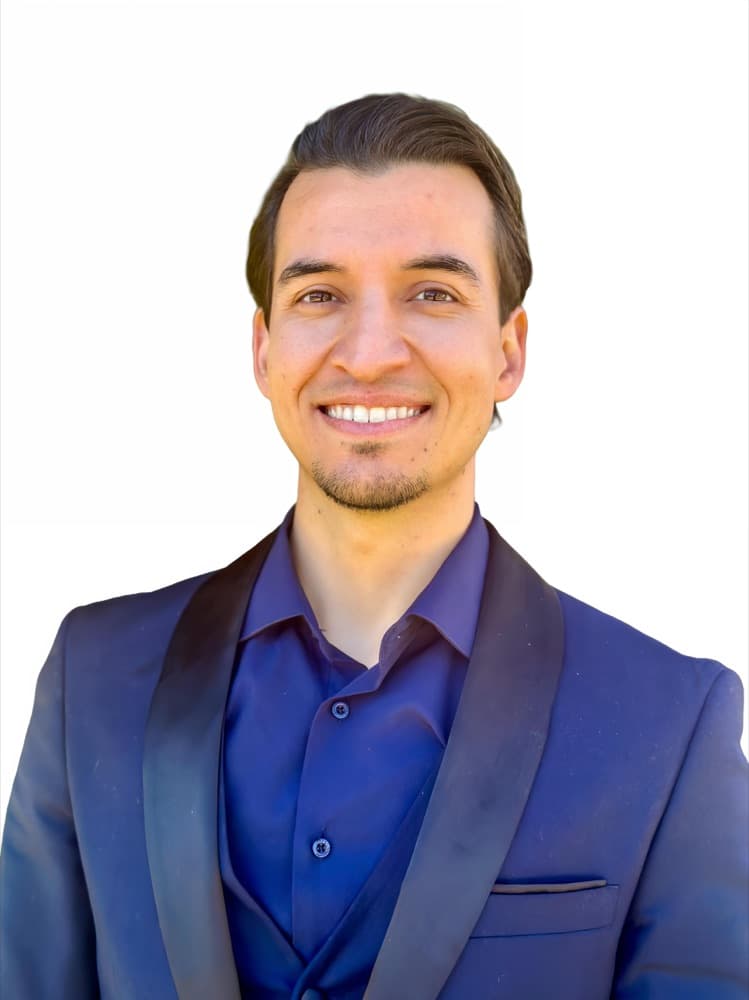
I’m Kareem Jamal, and Chatsworth is where my story starts. I grew up here in the
West Valley, in a family of builders and hands-on tradespeople — people who
understood a house from the studs out, long before I ever understood it from
the paperwork in.
When you’re raised by people who build things, a neighborhood like this one
teaches you constantly. I learned that land matters, because I watched what my
family could do with a yard that had room to work in. I learned that
a house is the thing a family stands on — not a listing, not a lottery
ticket. And I learned that the rocks at the end of the street had been watching
families like mine arrive, build, and pass things down for a hundred years.
The Santa Susana Pass hangs over this whole zip code, and it hangs over my whole
life. The stagecoaches came down it. The railroad bored through it. And years
later, I drove up it — over the 118, to see what was on the other side. That
drive became Chapter III of this story.
But it starts here, at the bottom of the grade, in 91311.
So when I show a home in Chatsworth, I’m not reciting a script. I’m walking
you through the neighborhood that raised me — and I will tell you which streets
flood the light at sunset, which pockets the horse people defend, and which
blocks my family would have bought on. That’s not marketing. That’s memory.
Straight Answers
The questions people actually ask me about 91311.
Answered the way I answer everything — even when the honest version costs me.
Is Chatsworth still a real horse community, or is that nostalgia?
Real — and defended. The equestrian zoning in the foothill and northern pockets is genuine, the trail network is active, and the community shows up when it’s threatened. But here’s the part that matters to your money: zoning runs parcel by parcel, not by vibe. I verify the actual zoning and any horse-keeping conditions on every property before a client pays an equestrian premium.
Chatsworth or Porter Ranch — which is the better buy?
They solve different problems, and anyone who declares one “better” without asking about your plan is selling you something. Porter Ranch is newer construction, master-planned polish, at a premium. Chatsworth is land, character, and entitlements you can’t replicate — bigger lots, horse rights, RV access, ADU potential.
My honest lean: if your wealth plan values optionality — the ability to add a unit, keep animals, park equipment, build for family — Chatsworth’s land is the more interesting instrument. If you want turnkey and HOA-managed uniformity, Porter Ranch wins. I’ll tell you which one your situation points to, even if it points away from a sale.
Do the trains make it loud?
Near the corridor, yes — you’ll hear them, and I won’t pretend otherwise. The useful math: rail-adjacent pockets price at a discount, and for a downtown commuter that discount buys you a direct Metrolink ride instead of the 118 at 7am. Some of the best value entries in this zip are homes where the train is someone else’s dealbreaker. Stand in the yard when one passes and decide with your own ears — I’ll time the showing so you can.
Is 91311 a good long-term hold?
The case rests on scarcity, which is the most durable force in real estate. Horse-keeping zoning LA will never expand. Lot sizes the Valley stopped building in the 1970s. A rail interchange that’s been fixed in place since 1904, and 1,300+ protected acres at the Nature Preserve that can never become competing supply. Families here haven’t gotten wealthy by trading — they’ve gotten wealthy by holding the land everyone else forgot to want. Thirty years, not thirty days.
One Story, Three Zip Codes
The pass connects all three.
My family’s story runs along the Santa Susana Pass — raised on one side, built on the other. Read it in order, or start where you’re standing.
Thinking about 91311? Talk to someone who’s from it.
Buying into Chatsworth, selling a family home here, or weighing an equestrian
property’s real value — I’ll give you the local read first and the strategy
second. One conversation, no follow-up campaign, no pressure. That’s a promise
I publish.